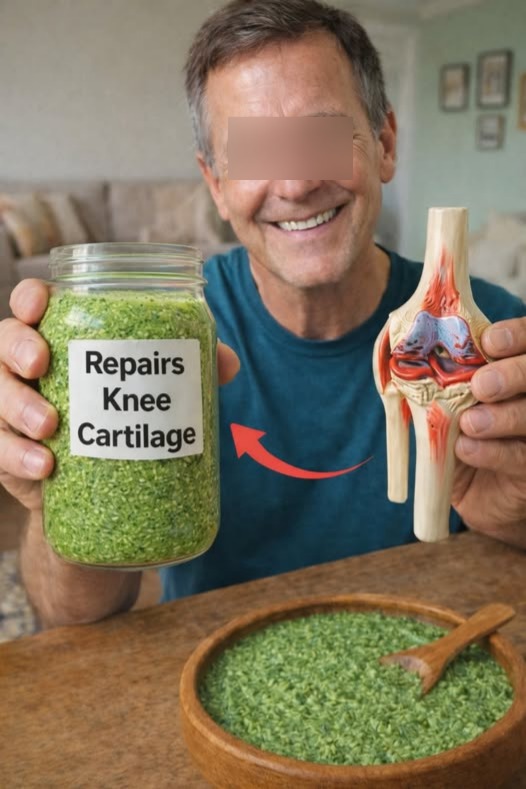
You wake up in the morning, swing your legs off the bed, and there it is again that stiff, aching feeling in your knees that makes you hesitate before taking the first step. It is frustrating, even a little embarrassing, especially when others your age seem to move more freely. You may have already tried supplements, creams, or advice from friends, but nothing feels consistent. What if the real answer is not something magical overnight, but a simple daily habit hidden in plain sight that many people overlook?
Why Knee Cartilage Naturally Changes With Age
As we age, our joints go through natural wear and tear. Knee cartilage, the soft cushion between bones, gradually loses its elasticity and thickness.
This does not happen overnight. It is a slow process influenced by:
• Years of movement and pressure
• Reduced blood flow to joint tissues
• Changes in collagen production
• Inflammation from lifestyle habits
Here is the key point most people miss:
Cartilage does not have its own direct blood supply. That means it relies heavily on nutrients from the surrounding environment including what you eat.
But that is not all…
Many viral claims promise “fast repair” or “overnight recovery.” The truth is, no single food can rebuild cartilage in 24 hours. However, certain nutrients can support joint comfort and long term mobility.
And that brings us to the green foods people are talking about.
The Truth About “One Green Food” for Joint Support

You may have seen headlines claiming that one green food can “regenerate cartilage instantly.” That sounds exciting, but let us look at what science actually suggests.
Leafy greens like spinach, kale, and parsley are rich in:
• Vitamin K which supports bone health
• Vitamin C which helps collagen formation
• Antioxidants that may reduce inflammation
• Magnesium which supports muscle and joint function
Research suggests that diets rich in plant based nutrients may help support joint health over time.
But here is the important distinction:
These foods do not rebuild cartilage overnight. Instead, they create a supportive environment in your body that helps maintain joint function and reduce discomfort.
Think of it like watering a plant. One day does not change everything, but consistent care makes a visible difference.

